Tagline: Everyone can make news. Not everyone is trustable
Over 19 years, a journalist-turned-filmmaker interviews chief editors inside newsrooms across 12 countries, turning a story of media innovation into an ethnographic look at how journalism can still earn durable trust when algorithms, synthetic content, and creator channels define what the public sees as news.
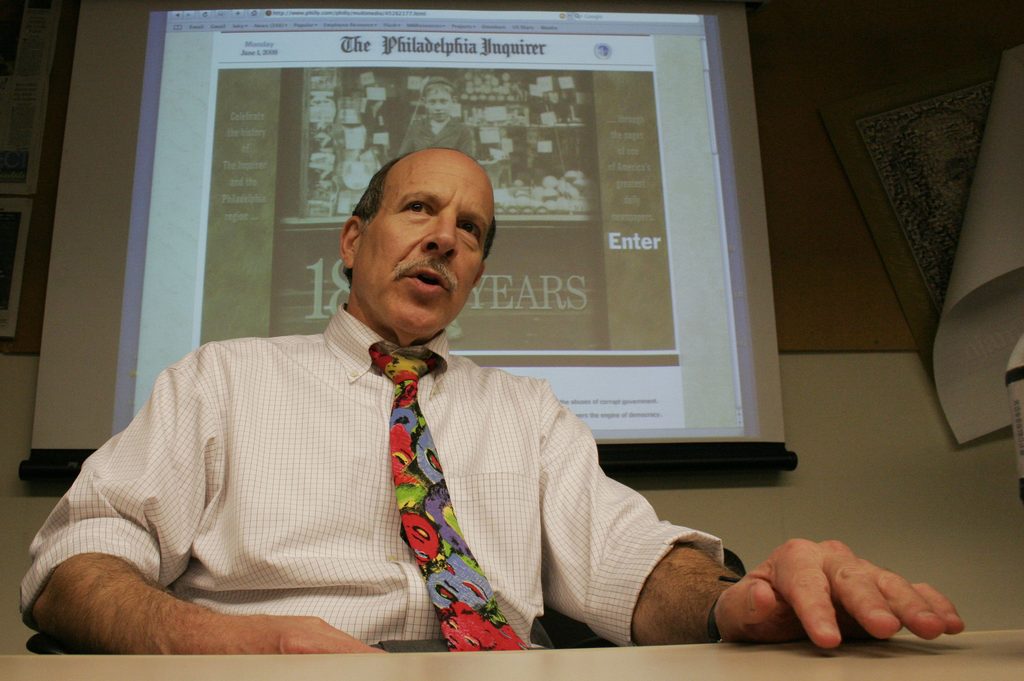
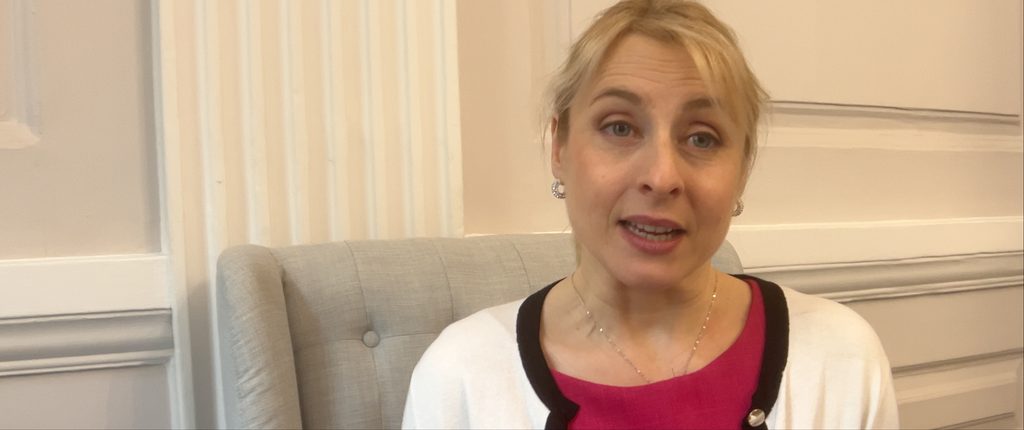
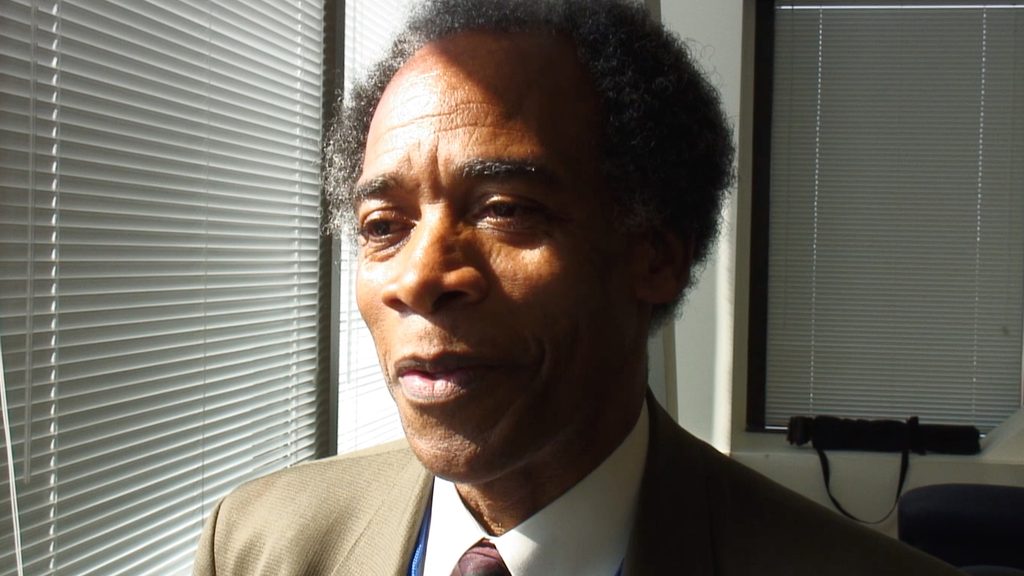
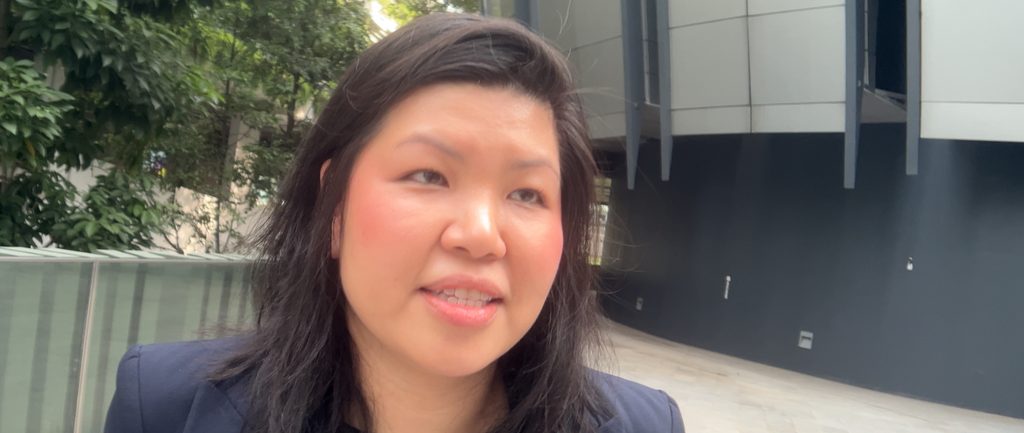
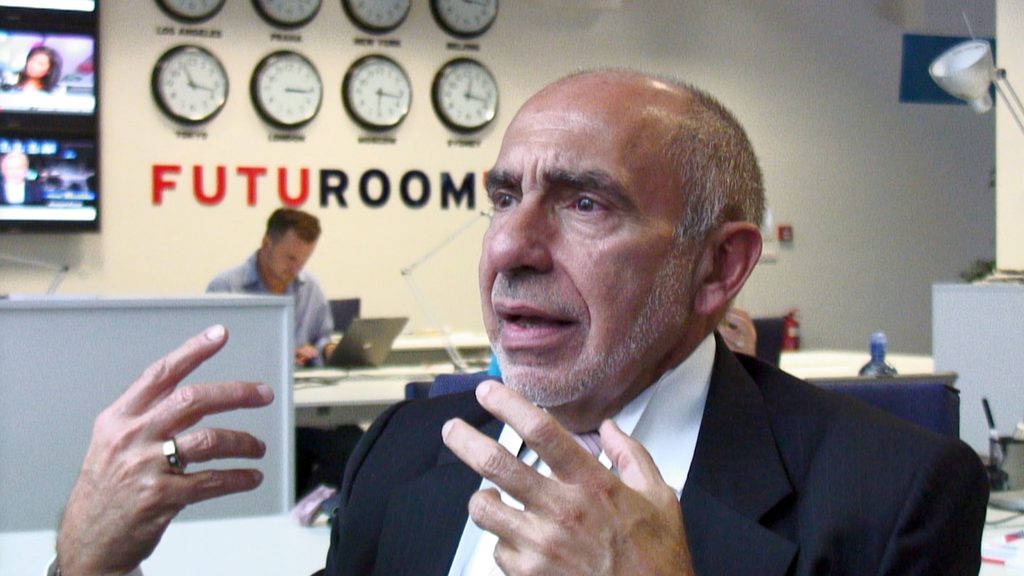
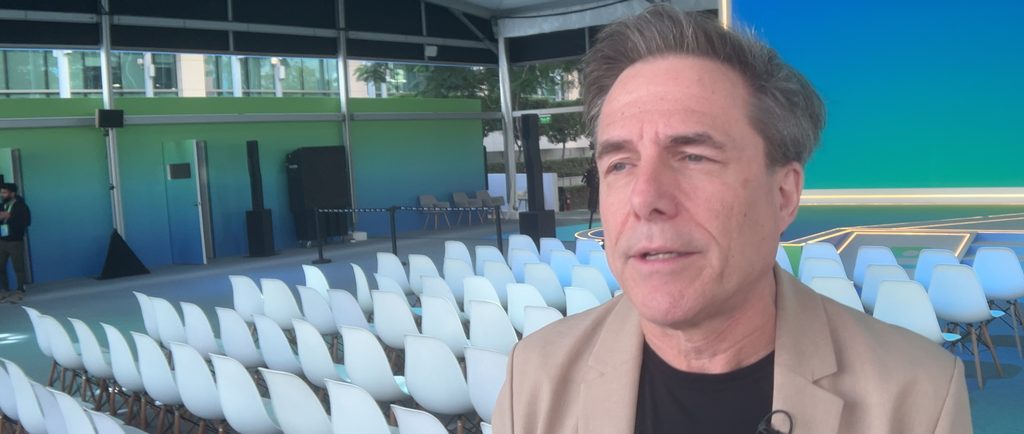
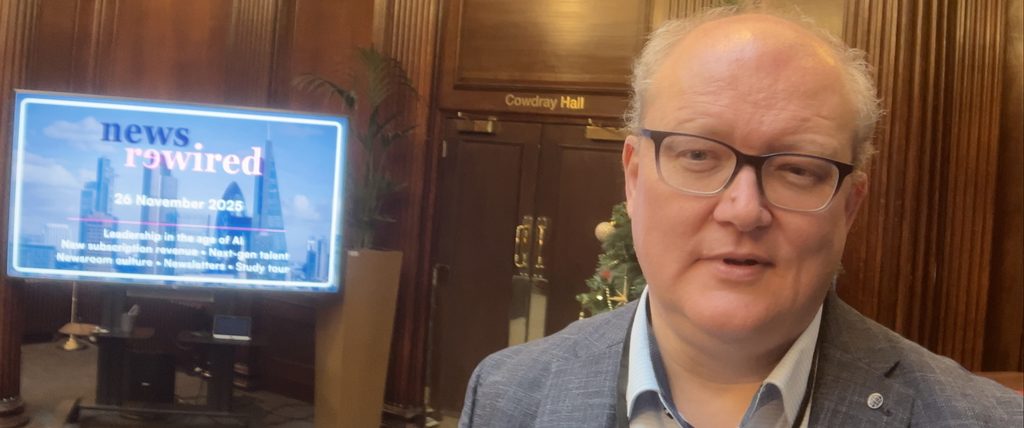
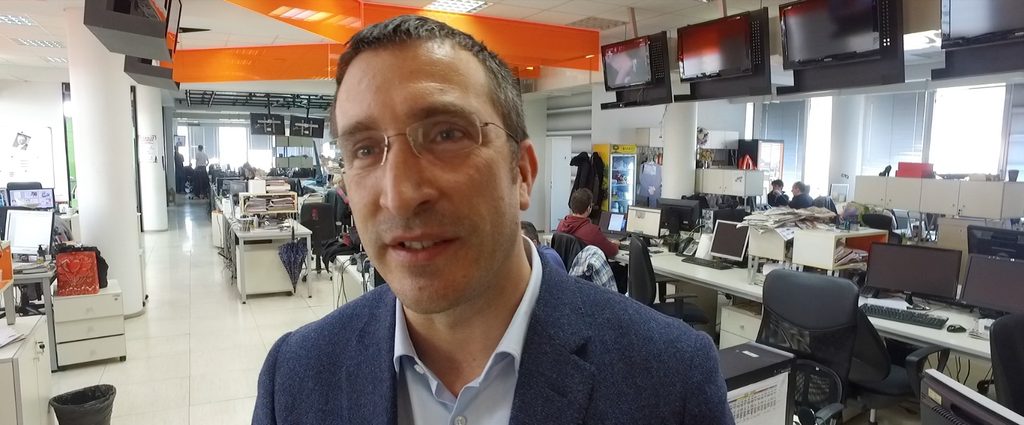
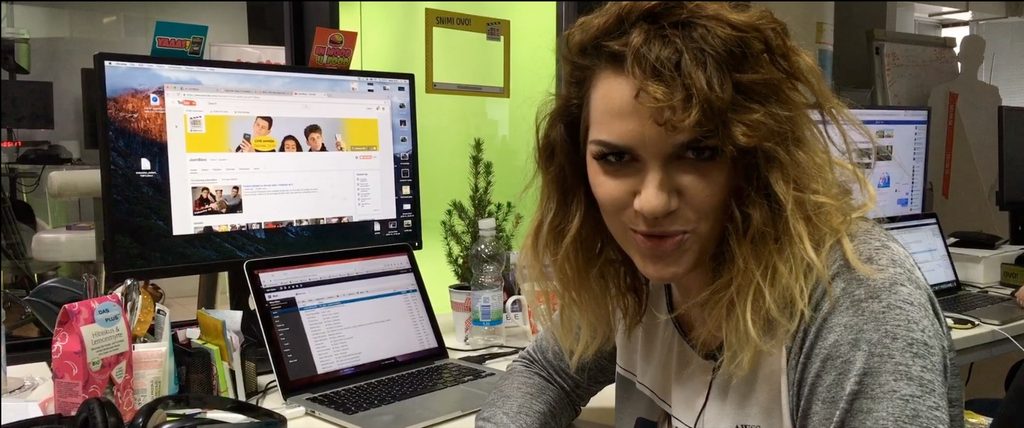
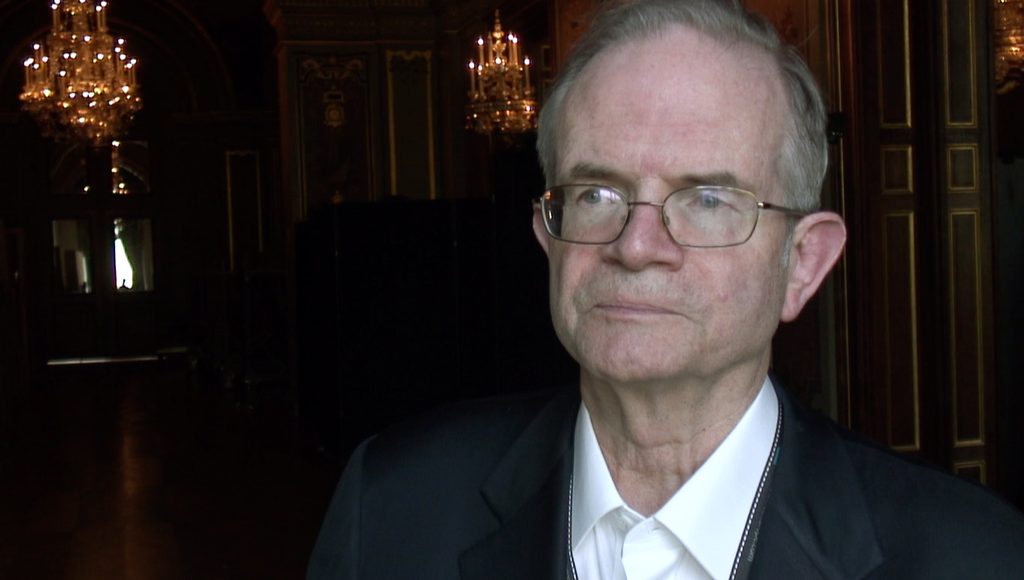
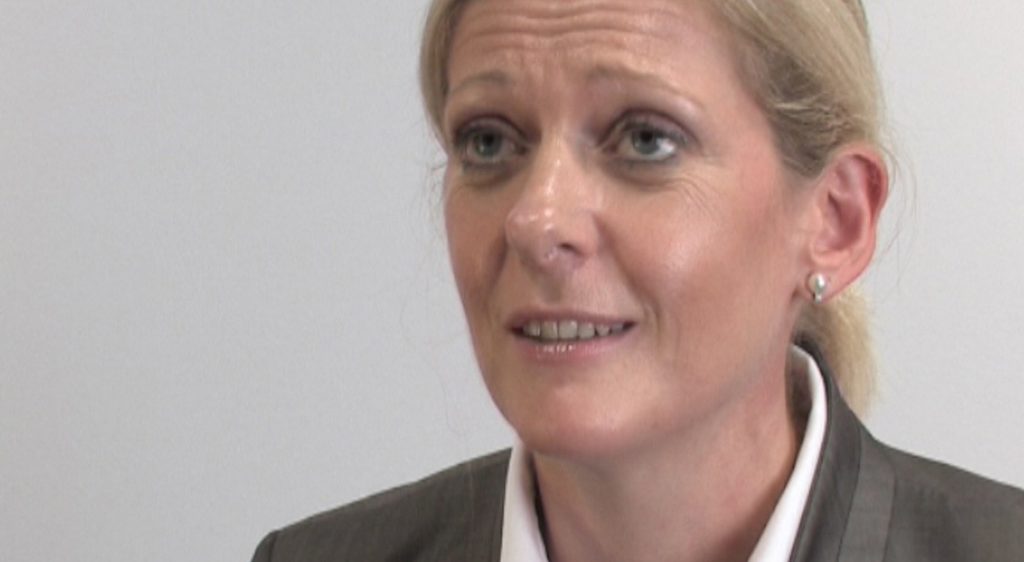
Synopsis
Trustable assembles 500 hours of media archaeology (excavated from 63 master tapes and 25 hard drives) into an intimate mystery about what happens to trust when legacy newsrooms lose their monopoly on reality. Legendary editors, political dissidents, and creator-journalists each describe the same feeling from different angles: the old rituals of verification are slipping away, even as synthetic media floods in.
Over 19 years, a journalist-turned-filmmaker interviews chief editors inside newsrooms across 14 countries, turning a story of media innovation into an ethnographic look at how journalism can still earn durable trust when algorithms, synthetic content, and creator channels define what the public sees as news.
For a century, the truth about the world passed through a handful of rooms. Then the rooms disappeared.
Over 19 years, journalist-turned-anthropologist Robb Montgomery kept filming as those rooms emptied out. From Washington and Cape Town to London, Singapore, and Dubai, he recorded high-stakes editorial meetings, off-script strategy sessions, and remarkably candid conversations with 34 of the most powerful voices in news — five of whom he returned to film again years later, including digital strategist Kevin Anderson, captured 19 years apart.
Bringing a photojournalist’s rarely-seen approach to documentary craft, the film immerses viewers in thick description — long, observed passages inside newsrooms and the societies surrounding them, rather than quick illustrative cutaways. Interview segments are presented transparently, allowing viewers to judge authenticity for themselves rather than having it asserted to them.
The film never offers a simple villain or a nostalgic eulogy. Instead, it watches bodies — micro-gestures, hesitations, heavy sighs — at the exact moment people realize the system that trained them may not survive them. As camera-native practitioners step into the vacuum with radical transparency and “show your receipts” reporting, Trustable leaves viewers with an unsettling question: if anyone can publish, who has actually earned the right to be believed?
Director Biography
He teaches internationally as a visiting professor and lead instructor at the Singapore University of Social Sciences, where he develops applied media curricula for journalists and filmmakers across professional contexts. His documentaries Sophie Sutton and Ice Swimming have earned Best Documentary honors at international festivals. In 2023, he led mobile journalism workshops in Ukraine for frontline reporters working amid displacement and conflict.
Why This Film, Why Now
Trustable focuses on the invisible, embodied rituals of verification — the phone calls, doubts, and confessions that once lived inside legacy newsrooms and are now being renegotiated in public. It rides current urgency around AI ethics, the creator economy, and media literacy, while offering something rare: nearly two decades of unguarded access to the people who actually run the news, filmed with a photojournalist’s ethics and instincts for documenting the unstaged moment.
- Unprecedented access — Candid, behind-the-scenes footage with editors from The Washington Post, ProPublica, The Guardian, and other major outlets, filmed far from press-office talking points.
- True longitudinal storytelling — Five subjects, including digital strategist Kevin Anderson, were filmed twice across a 19-year span, capturing rare before-and-after testimony rarely possible in documentary.
- A photojournalist’s documentary craft — Thick, observational description of newsrooms and their surrounding societies, rarely achieved in journalism-focused documentary.
- Transparent interview method — Segments are presented in a way that lets viewers assess authenticity themselves, rather than asking them to simply trust the frame.
- Global scope — A 19-year journey across eleven countries, tracing how the transfer of trust from institutions to individuals unfolds on different continents.
- Creator-era urgency — Testimonies from independent news creators, including strategist Jim Louderback, on why unvarnished fallibility may be the only antidote to AI-driven synthetic certainty.
- Academic backbone — Companion ethnography and teaching archive published as The Trust Graph, grounding the film in peer-reviewed research.
- Festival-ready conversation starter — A natural catalyst for panels on AI, media literacy, creator journalism, and the future of democratic truth-making.
Director’s Statement
I started this project the way journalists start most things — by walking into a scene and observing unfolding news events. At first those places were familiar: storied newsrooms in Washington, Philadelphia, and London where a handful of editors decided, every morning, what the world would know by nightfall. They were confident. Sometimes they were scared. They never expected the walls around them to vanish.
Trustable is my attempt to sit with that tension without resolving it. The film doesn’t tell viewers whom to trust. It shows how trust is performed, the price of losing it — and what it costs to keep doing it now.
The Vanguard (Principal Subjects)
| Name | Role |
| Milton Coleman | Deputy Managing Editor, The Washington Post |
| Alison Smale | Editor-in-chief, International Herald-Tribune |
| Marcela Kunova | Managing Director, Journalism UK |
| Michael Cooke | Editor-in-Chief, The Toronto Star |
| Garry Kasparov | Former World Chess Champion, Russia Opposition Leader |
| Paul Steiger | Founding Editor-in-Chief, ProPublica |
| John H. White | Pulitzer Prize–winning Photojournalist, Chicago Sun-Times |
| Mario García | Media Designer and Consultant |
| Jim Louderback | Creator Economy Strategist |
| Lin Yi-Chung | Deputy News Editor, Chanel News Asia, Singapore |
| Kevin Anderson | Digital Strategy Director, WAN-IFRA (longitudinal subject — filmed 19 years apart) |
The Trust Graph Project
Making Trust Visible in the Age of AI
The next generation of media, journalism, education, and AI systems will be shaped by the choice between these two architectures.
One optimizes for attention.
The other optimizes for trust.
Research outputs
Monograph
Curated Repository (Academic Archive)
https://smartfilmschool.newzenler.com/courses/the-trust-graph/contents/69eea49216e3a